
Eponet hat bereits mehr als 30 Hersteller von Ladestationen ins Backend integriert. Einige nur für die Verwaltung/Abrechnnung via OCPP Protokoll, die meisten aber auch ins Eponet Lastmanagement System.
OCPP Integrationen sind durch das OCPP Protokoll relativ schnell eingepflegt (sofern der Hersteller sich an das Protokoll hält) - eine Einbindung ins Lastmanagement hingegen ist ein häufig unterschätzter Aufwand.
Bitte verwechseln Sie nicht die beiden Integrationen. Die meisten Backendanbieter machen nur ein OCPP Integration und das Lastmanagement wird von einer Drittfirma geliefert.
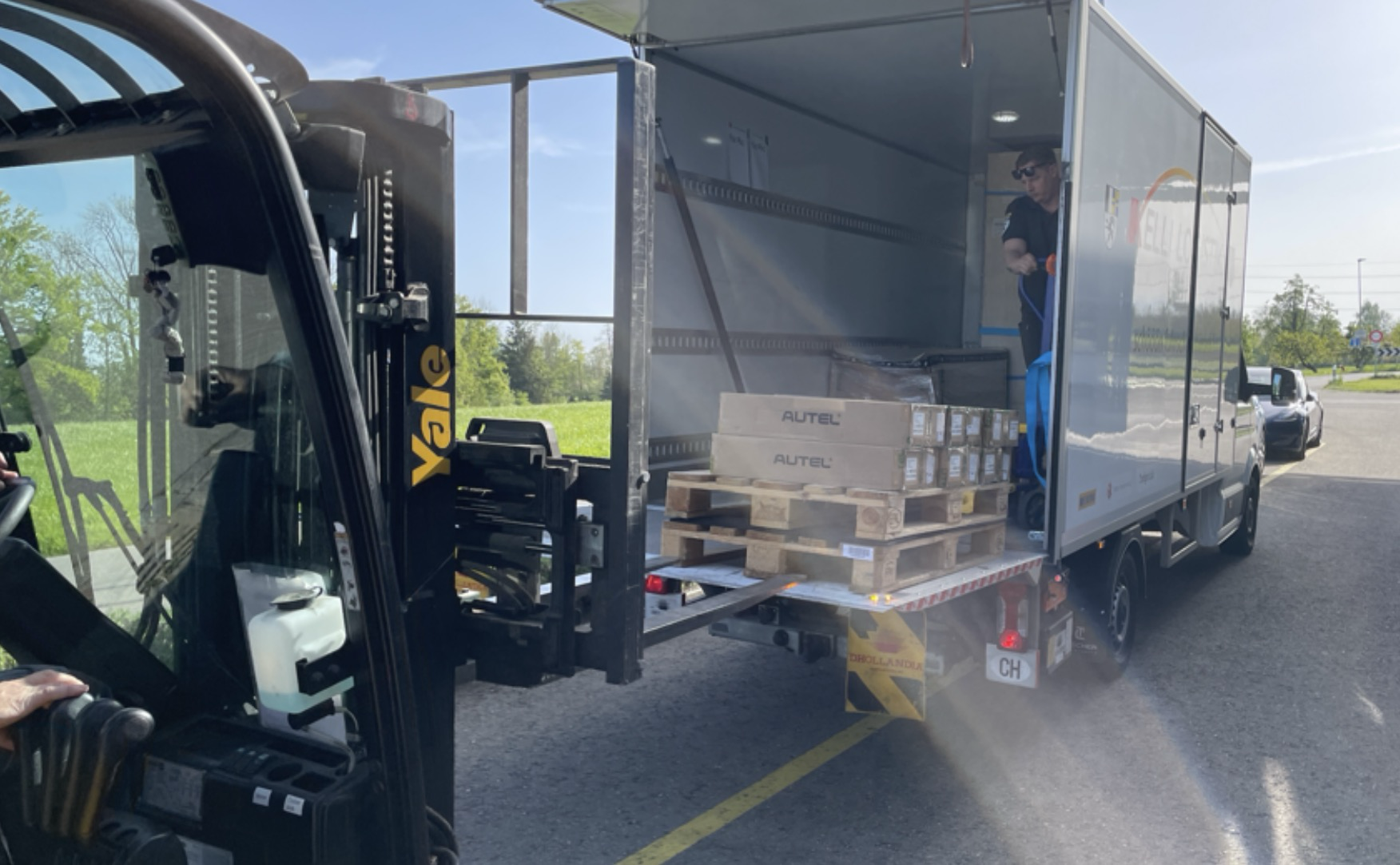
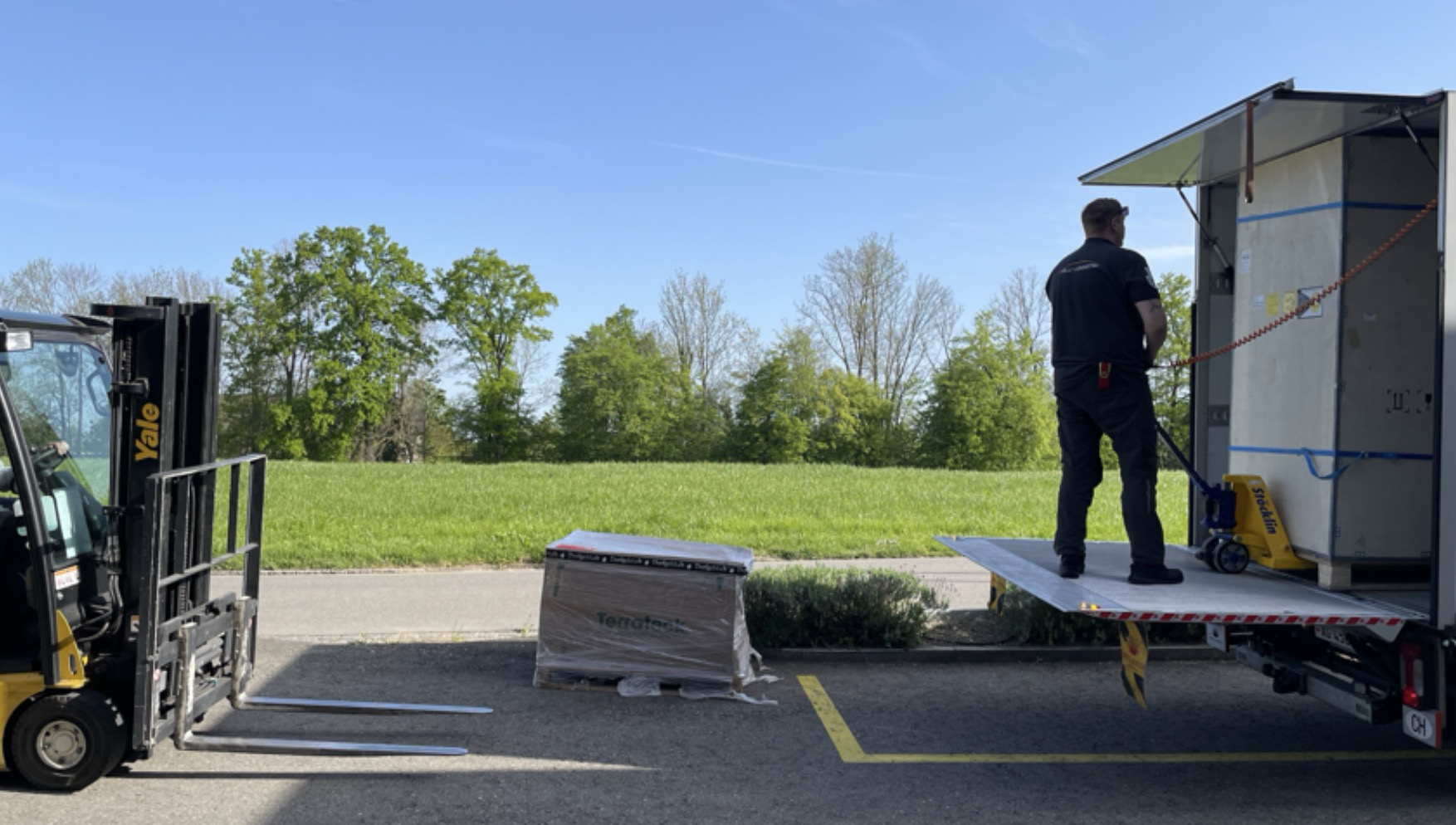
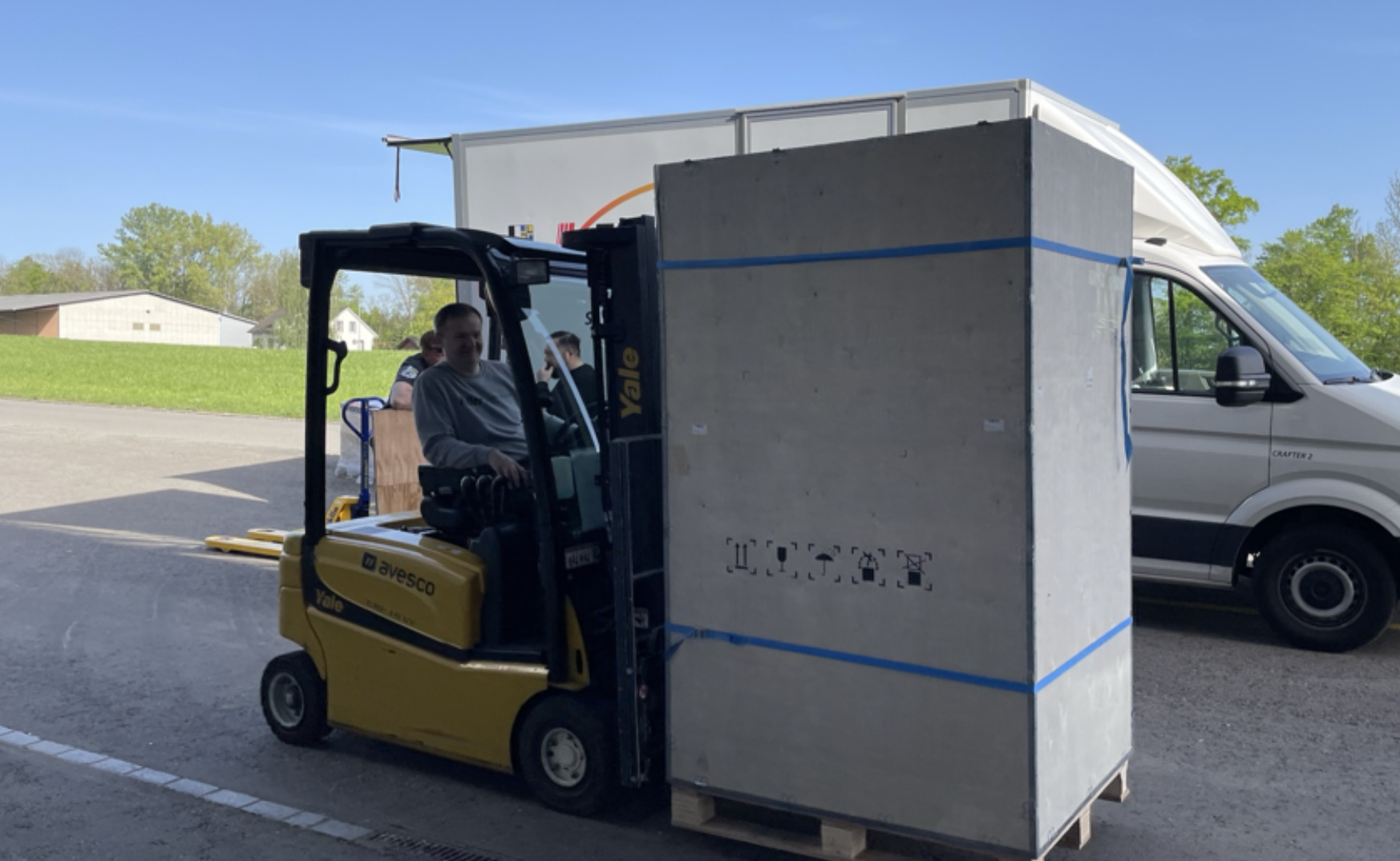
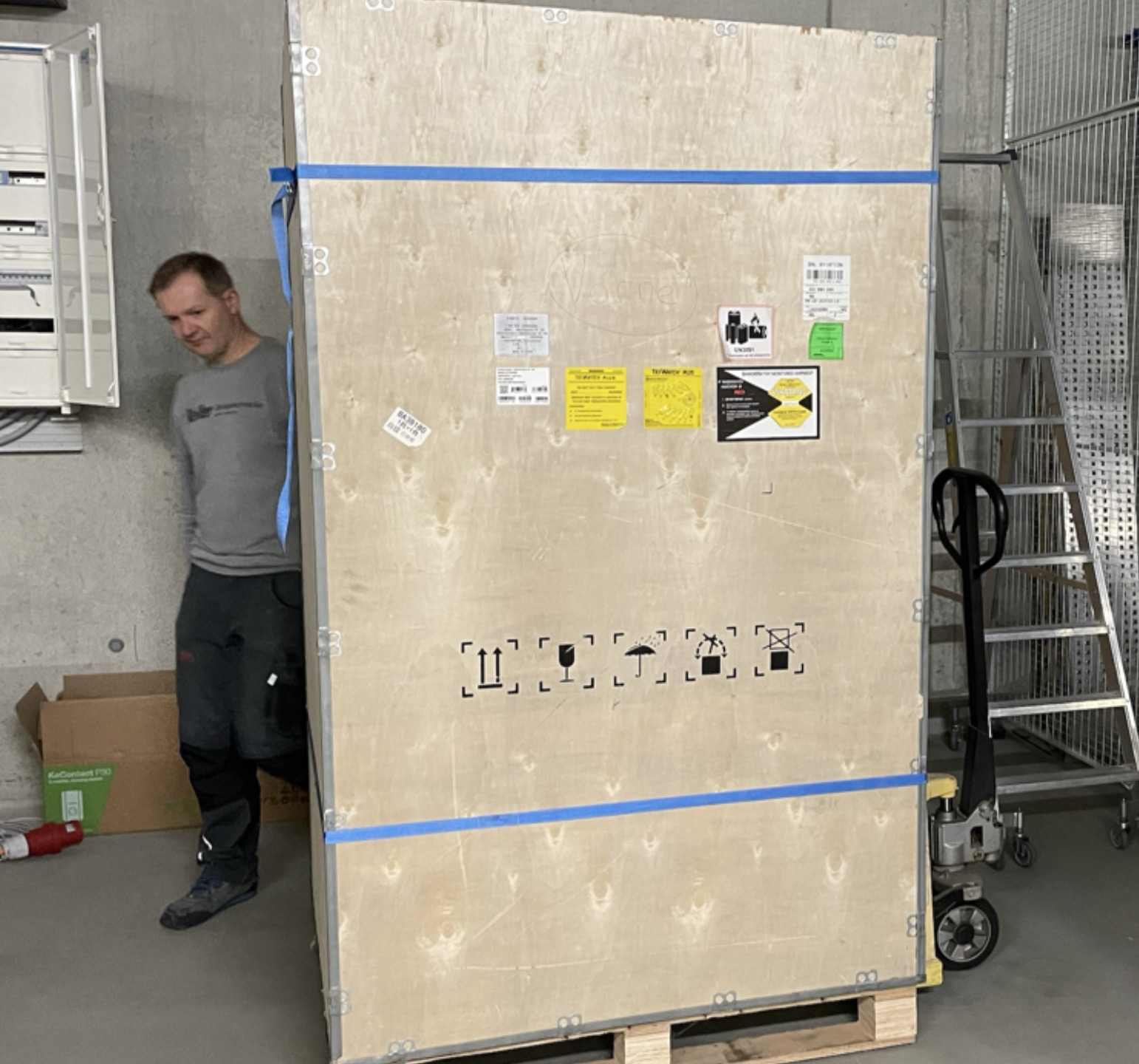
Folgende Bilder-Geschichte erklärt, wieso der Aufwand für eine Integration ins Lastmanagement so zeitintensiv ist und wieso es trotz Transport- und Aufbau in unserem Labor noch immer günstiger ist als eine Integration vor Ort.
Bilder-Geschichte aus dem Eponet Testlabor – Ablauf Integration DC-Lader
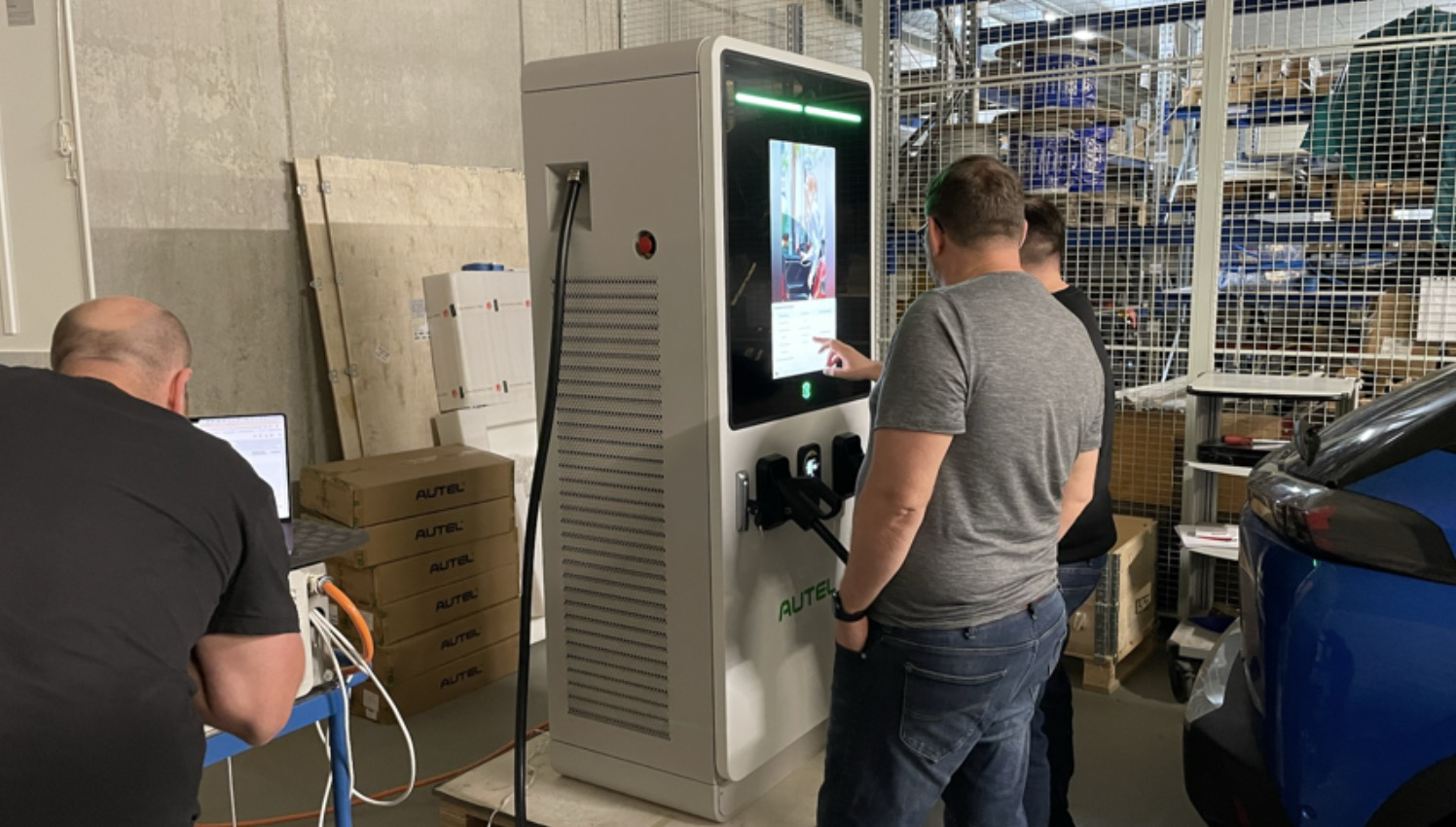
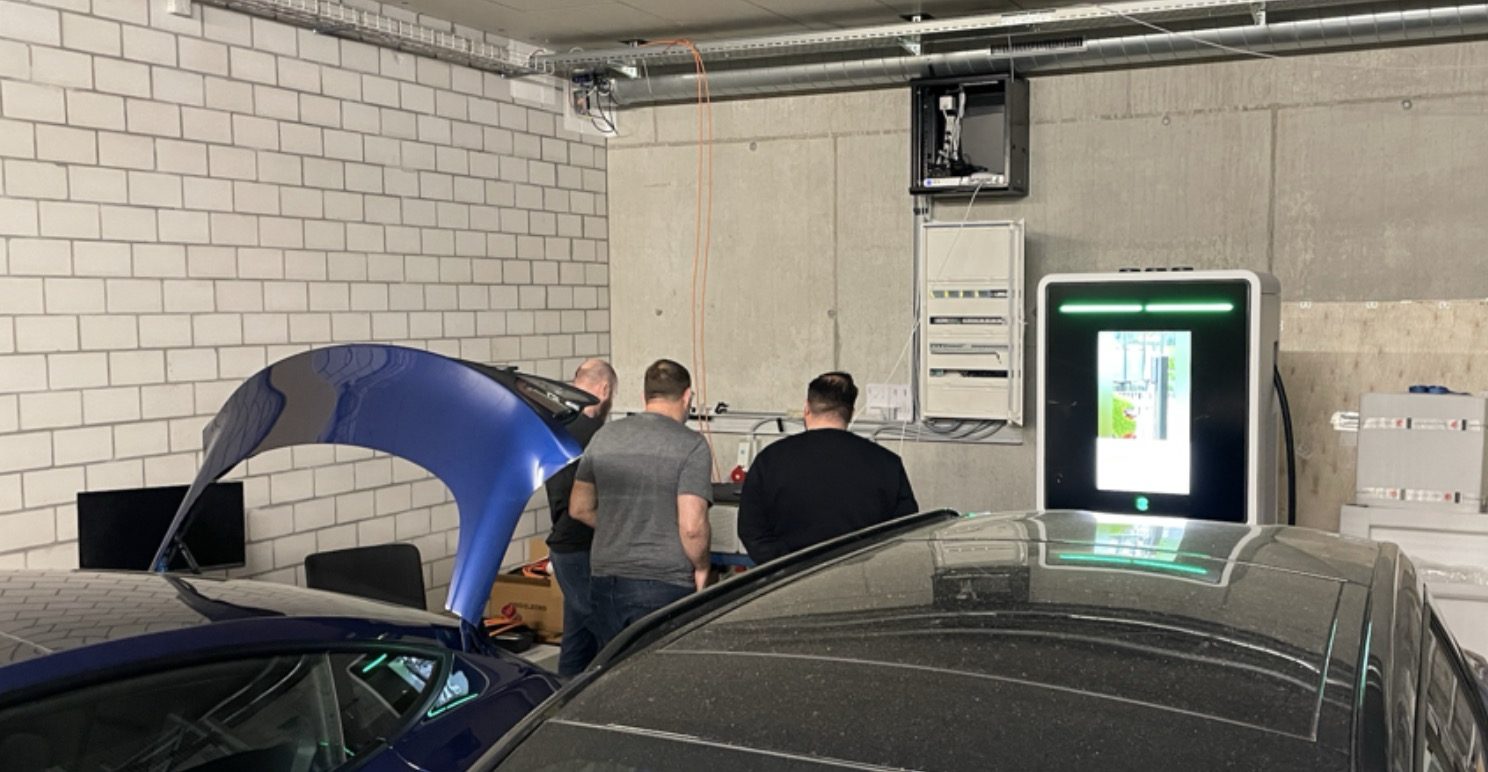
Der Zeitaufwand für eine seriöse Integration in das Eponet Lastmanagement beträgt erfahrungsgemäss 2-3 Arbeitstage für mehrere Personen. Eponet hat hierzu extra ein Testlabor aufgebaut, wo auch mehrere Fahrzeuge gleichzeitig angeschlossen werden können.
Wieso wir ungern eine Integration vor Ort machen: Wenn Fragen oder Probleme auftauchen, muss meistens der Hersteller dazu angefragt werden, oder der Distributions-Partner muss intern Rückfragen dazu machen und wir bekommen oft erst nach Tagen die Antworten geliefert. Wenn wir eine Integration vor Ort beim Kunden machen, müssten wir mehrfach zum testen wieder vor Ort fahren. Deshalb empfehlen wir den Lader bei uns im Labor zu integrieren.
Start Integration: Terminfindung / Organisation Anlieferung & Aufbau
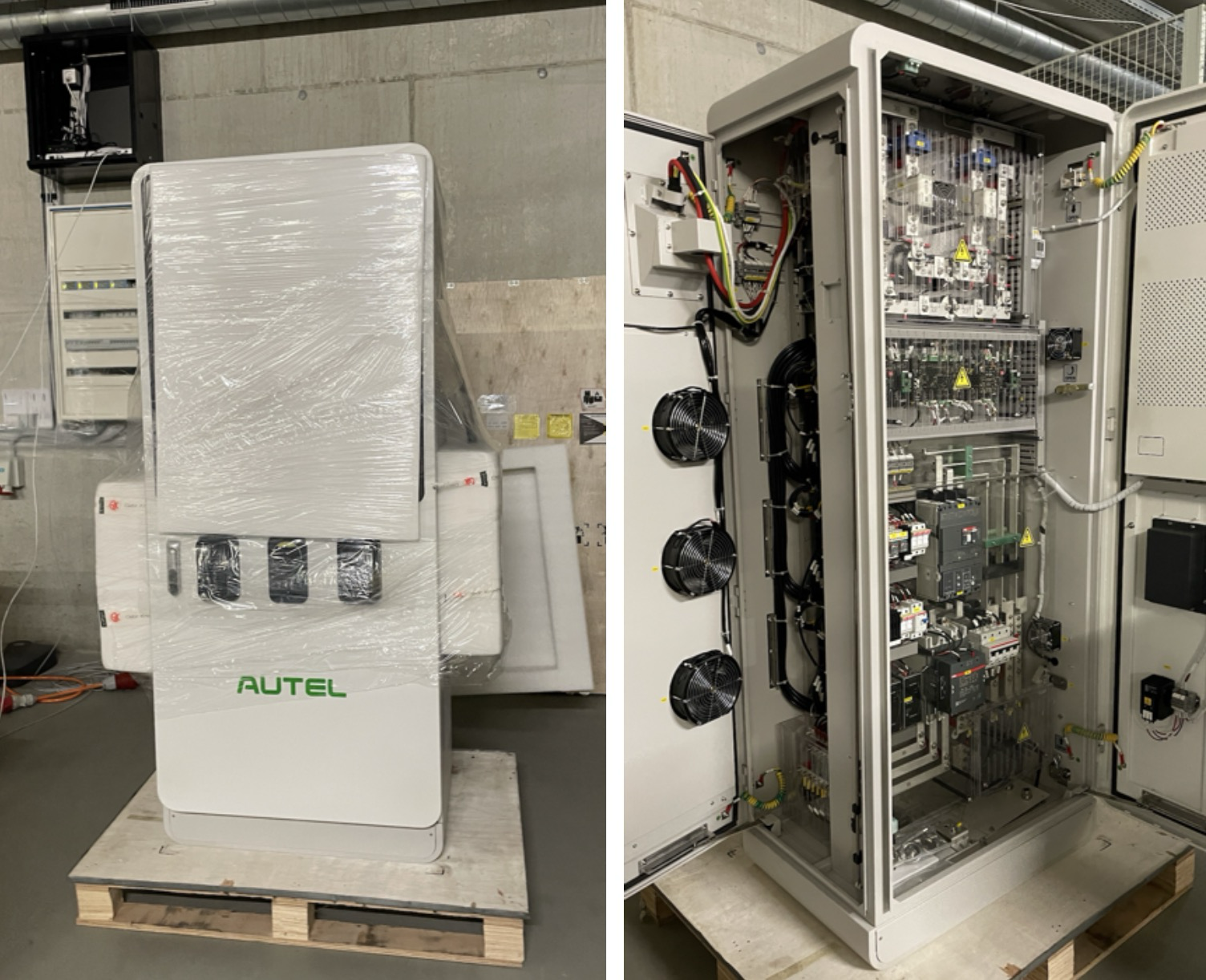
Lieferung DC-Lader und Power-Packs ins Eponet Testlabor:
Auspacken, Einbau Powerpacks, Anschluss und Konfiguration
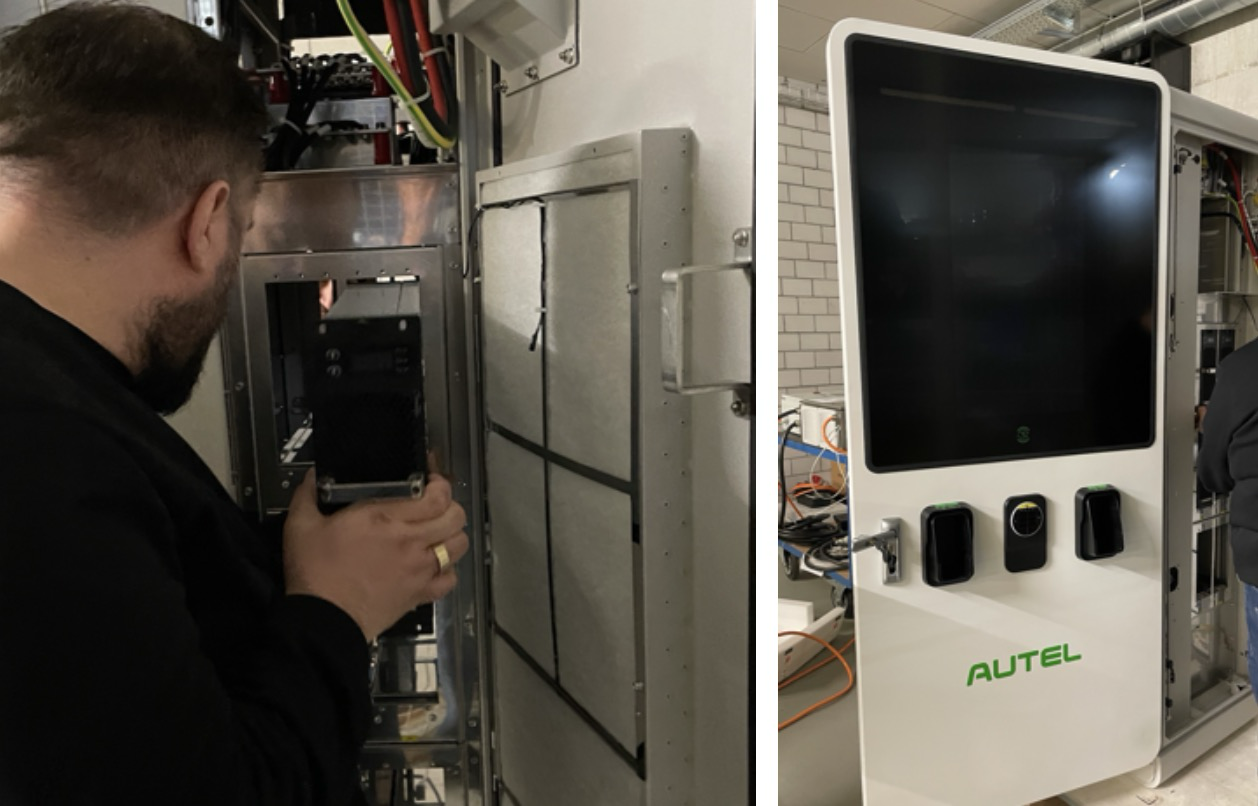
Konfiguration, Initialisierung Powerpacks mit dem Hersteller
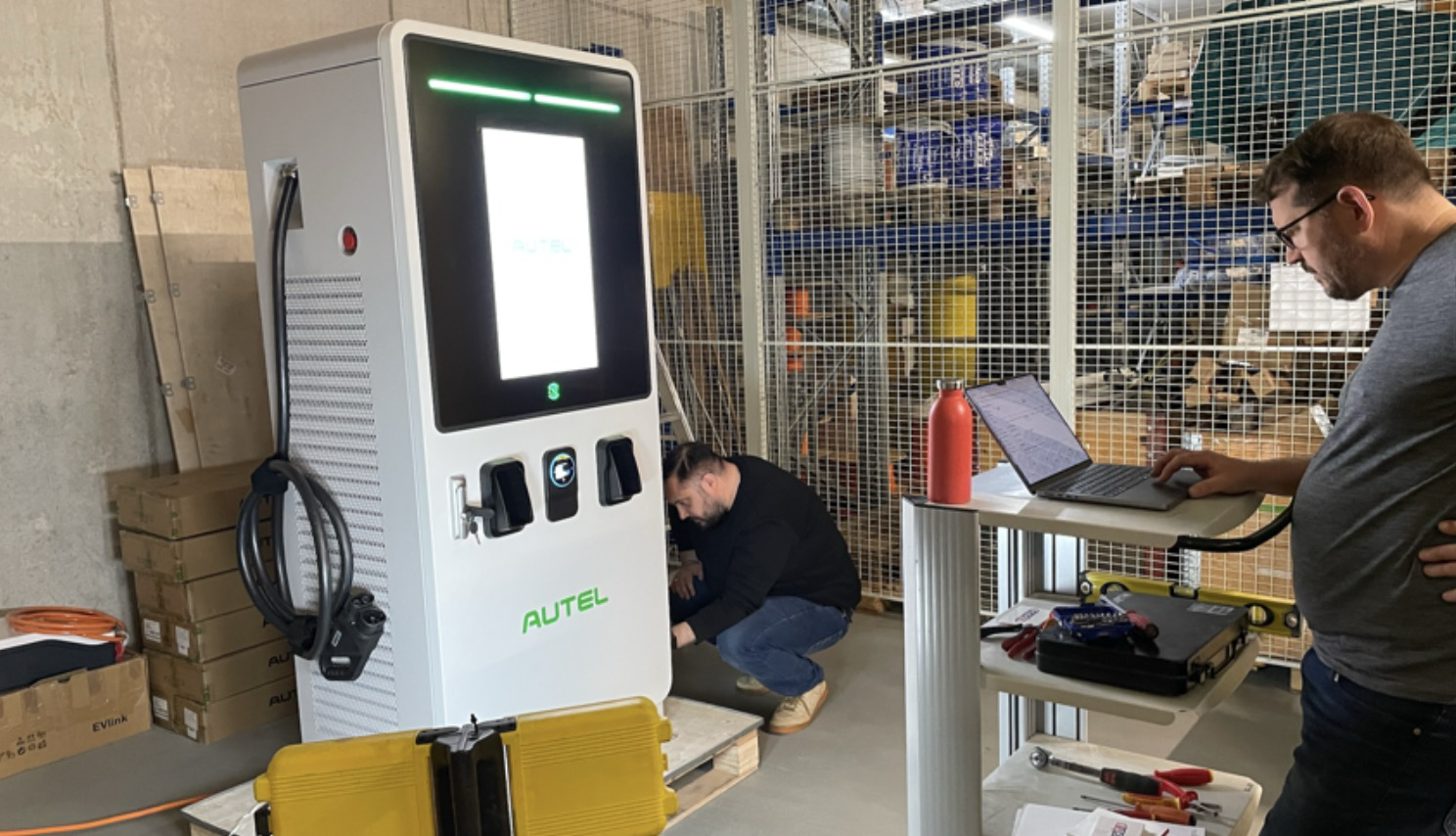
Funktionskontrollen, Testladungen
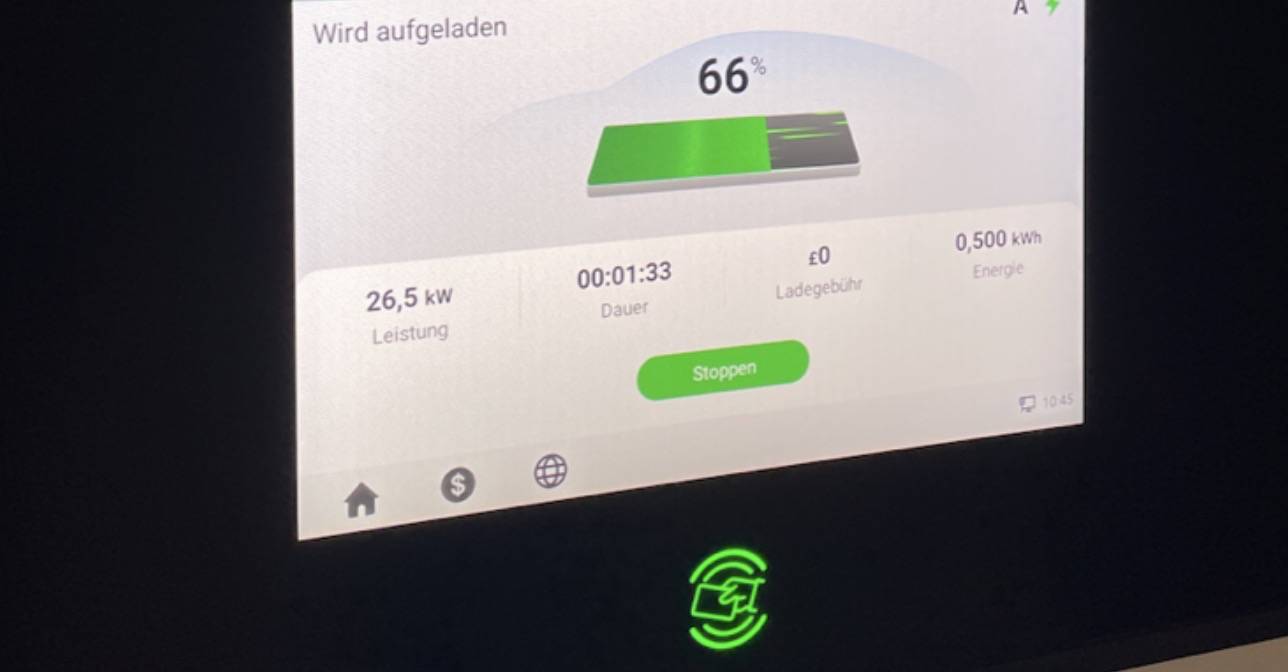
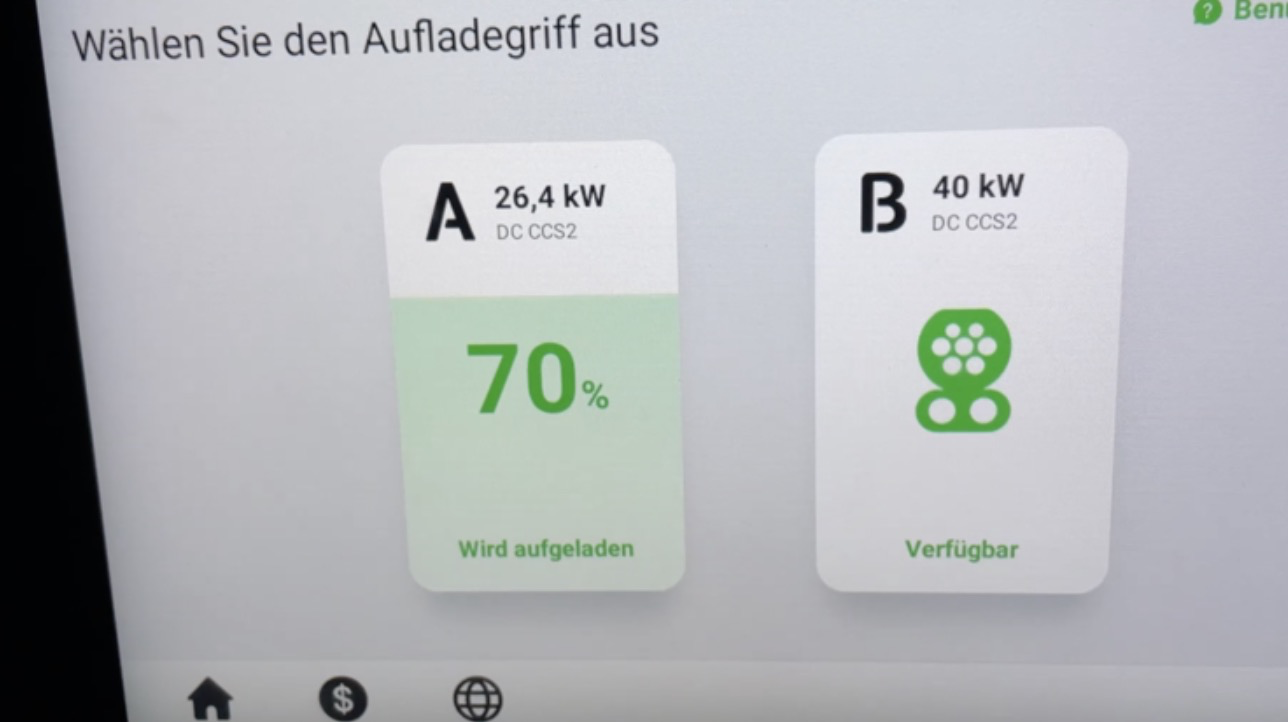
Einbindung ins Eponet Portal und ins Lastmanagement. Test der Regelungen. Testbetrieb mit mehreren Fahrzeugen
Fazit / Schlusswort
Der Aufwand einer Integration variiert je nach Produkt und Hersteller. Von der Lieferung bis Aufbau, Anschluss und Inbetriebnahme bis zur Beschaffung der Dokumente und Protokolle.
Nicht unterschätzt werden darf der Faktor Überraschung: Selten bis nie läuft alles nach Plan – von fehlenden bis falschen Unterlagen, Software Bugs bis defekten Powerpacks haben wir schon alles erlebt. – Genügend Zeitreserven sollten immer eingeplant werden.